
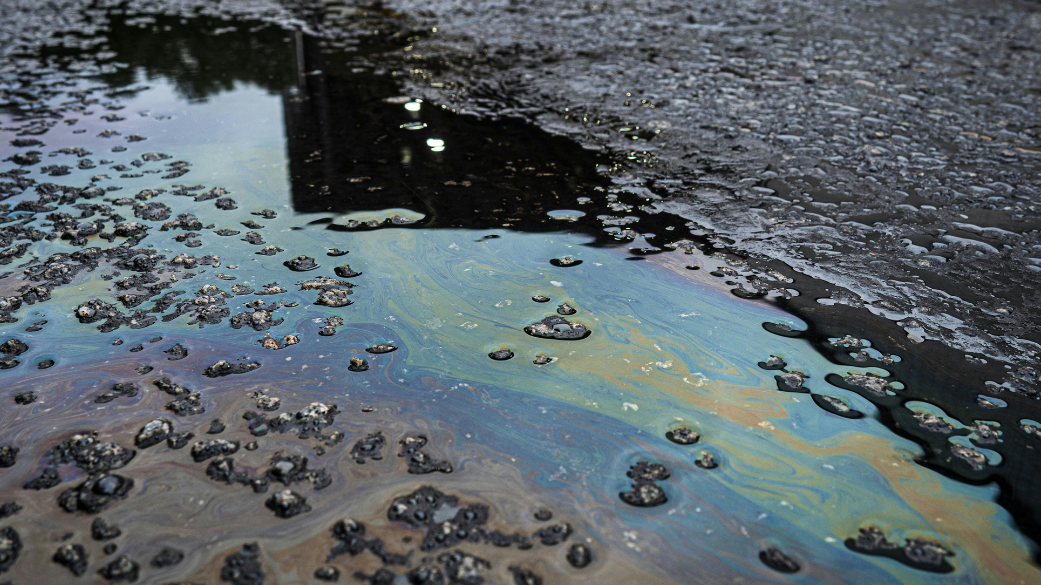
A lot of the questions that land in our inbox start the same way: “Which Micro-Blaze® product do I need?” The answer usually comes down to the application and desired outcome.
Micro-Blaze® CSR (Concrete Stain Remover) is a microbial product designed for cleaning oily residue and reducing staining on hard surfaces such as concrete, cinderblock, asphalt, floors, fixtures, tools, and equipment. Micro-Blaze® Emergency Liquid Spill Control (ELSC) is designed for in-situ bioremediation where the objective is to remediate hydrocarbon contamination.
Both products may be used on hard surfaces such as concrete or asphalt, but they serve different purposes.
Different Jobs. Different Measures of Success
One of the most important differences between CSR and ELSC is how results should be evaluated.
With CSR, the objective is surface cleaning and stain reduction. Oily residue and hydrocarbon staining can penetrate porous materials such as concrete and cinderblock, so improvement may be gradual. Older or deeper stains may also require multiple applications to achieve the desired level of stain reduction.
With ELSC, appearance alone doesn’t tell you whether remediation is complete. Hydrocarbons can leave residual carbon staining even after the contaminant has been remediated. For soil remediation projects, laboratory TPH analysis provides a much more reliable measure of remediation progress than visual appearance. Depending on the hydrocarbon involved, residual staining may remain even after laboratory testing confirms successful remediation.
When Would You Use Both?
Some spills create two separate challenges: hydrocarbon contamination requiring bioremediation and staining on a hard surface where appearance is also a concern.
For example, an oil or hydraulic fluid spill on concrete or asphalt may involve both remediation and surface staining. Micro-Blaze® ELSC can be used to remediate the hydrocarbon contamination, while Micro-Blaze® CSR may be used to address residual staining and improve the appearance of the hard surface. Similar situations can occur when a spill affects a paved or masonry surface as well as surrounding or underlying soil.
Using both products is not always necessary. When the primary objective is cleaning oily residue and reducing staining on a hard surface, CSR may be the appropriate product on its own.
One More Distinction Worth Knowing
Micro-Blaze® Emergency Liquid Spill Control is listed on the U.S. EPA National Contingency Plan (NCP) Product Schedule as a bioremediation agent. This listing reflects ELSC’s established role in oil-spill response and provides an important regulatory distinction when evaluating a product for hydrocarbon bioremediation.
Choosing the Right Product Starts With the Job
When deciding between CSR and ELSC, the most important question isn’t simply “What surface am I treating?” It’s “What am I trying to accomplish?”
Are you addressing hydrocarbon contamination through bioremediation? Cleaning oily residue and reducing surface staining? Or does the situation involve both?
Understanding that distinction helps identify the appropriate Micro-Blaze® product and application approach for the job.
If you’re still unsure, contact us. Our team can help you determine the appropriate Micro-Blaze® Microbial Product for your situation.