
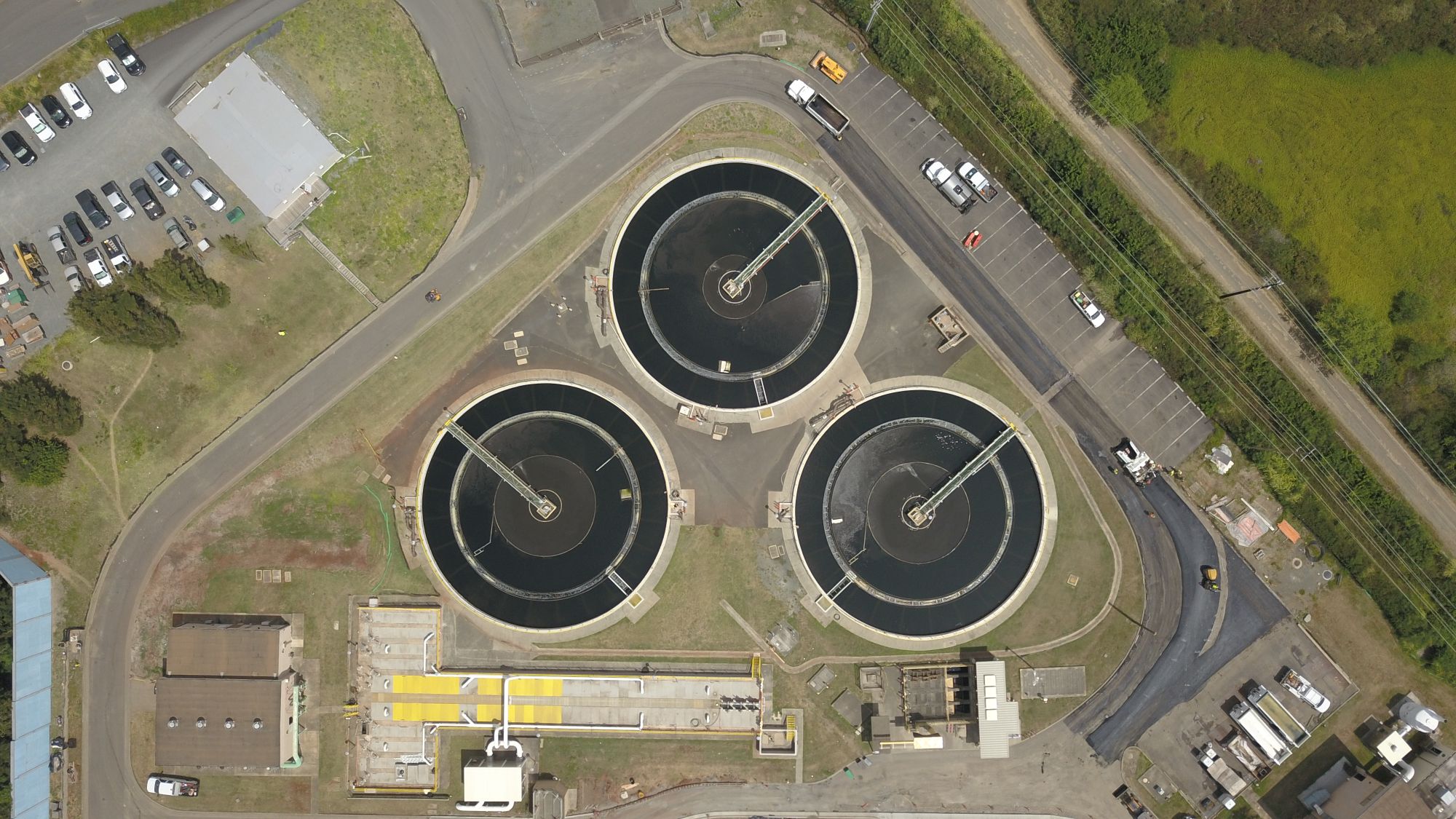
Every wastewater system is designed to handle organic waste, and under normal conditions, naturally occurring biological processes continuously break down these materials as they move through the system.
Operational problems develop when fats, oils, grease, food waste, proteins, starches, and other organic materials accumulate faster than they naturally degrade. This can lead to buildup, which can develop into operational challenges that affect system performance.
Understanding how organic waste behaves inside wastewater systems is an important first step toward reducing maintenance demands and supporting long-term system reliability.
Understanding Organic Waste
Organic waste in wastewater systems comes from many everyday sources, including:
- Fats, oils, and grease (FOG)
- Food preparation waste
- Proteins
- Starches
- Organic solids
- Other biodegradable materials
These materials are found in nearly every residential, commercial, and industrial wastewater system. Under normal conditions, naturally occurring microbes begin breaking them down as they move through the system.
When Organic Waste Becomes an Operational Problem
Problems arise when organic waste accumulates faster than it can be broken down. As deposits grow, wastewater systems may experience:
- Restricted flow through pipes and collection systems
- Odor development
- Increased grease accumulation
- Reduced pump efficiency
- Lift station buildup
- More frequent cleaning
- Higher maintenance and operating costs
Because these issues typically develop gradually, they’re often easier to prevent than to correct after significant buildup has occurred.
Why Buildup Continues
Wastewater systems depend on healthy microbial activity to continuously break down organic materials.
When the volume of incoming organic waste exceeds what the existing microbial population can process, buildup begins to outpace natural breakdown. Without additional biological activity or routine maintenance, deposits continue to grow, increasing the likelihood of recurring operational issues.
This is why many wastewater maintenance programs incorporate microbial treatments—to help maintain the biological activity needed to keep organic waste moving through the system.
Supporting Natural Biological Processes
Microbial treatments are designed to work with the natural biology already present in wastewater systems.
Micro-Blaze® FOG contains naturally occurring microbial cultures that help support the biological breakdown of fats, oils, grease, and other organic materials commonly found in wastewater environments.
Rather than simply addressing the symptoms of organic buildup, Micro-Blaze® FOG helps maintain the biological processes that naturally break down organic waste.
Operational Results in the Field
Field experience has shown that supporting the biological breakdown of organic waste can improve wastewater system performance. Municipal wastewater treatment plants using Micro-Blaze® FOG in collection systems have reported:
- Reduced organic sludge accumulation
- Lower sludge hauling requirements
- Improved operational efficiency
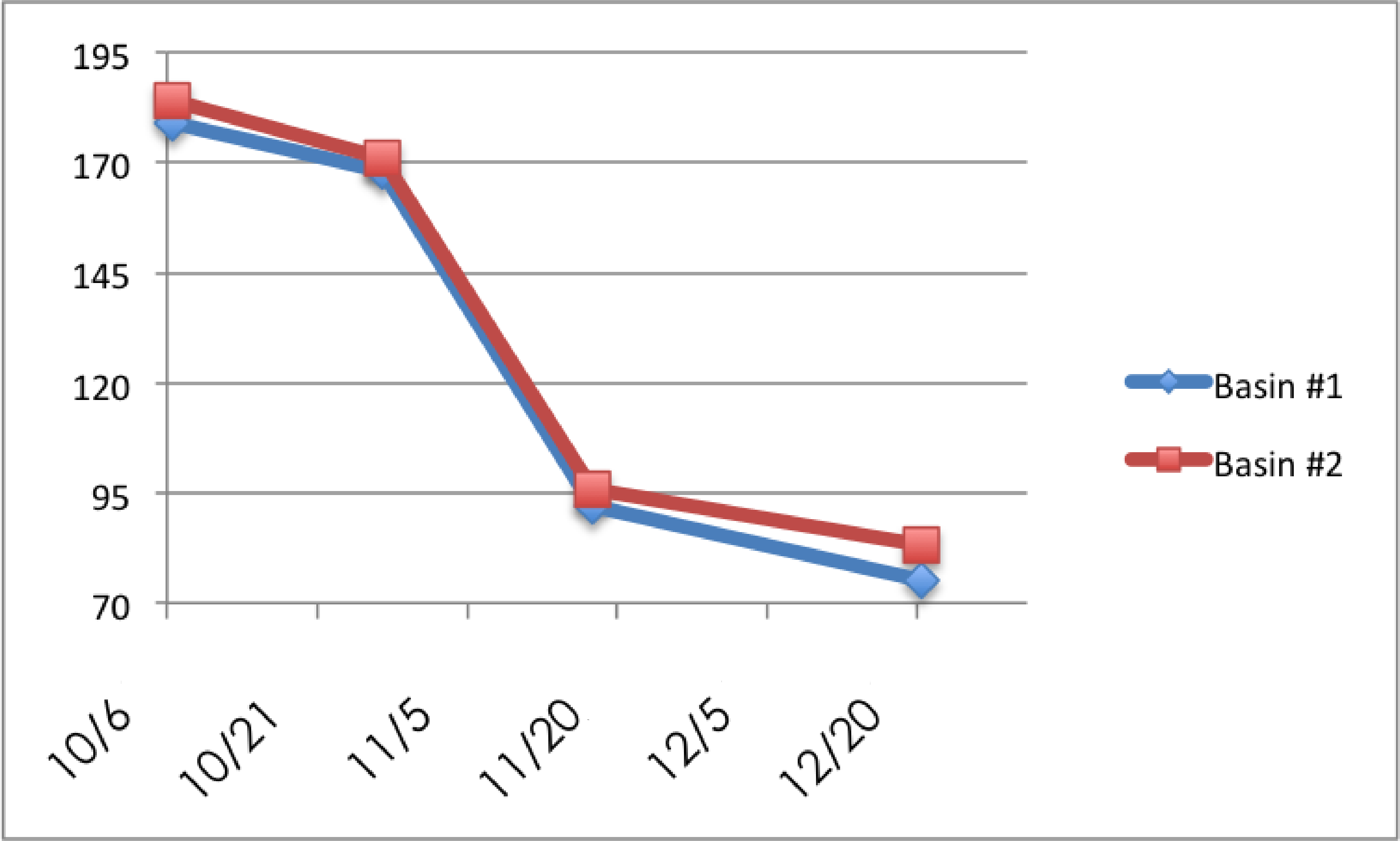
In field applications, sludge volume reductions of 40% to 50% have been observed, with noticeable improvements often occurring within 3 to 6 weeks after beginning treatment.*
The chart below illustrates sludge volume index reductions observed in two basins within a Texas municipal wastewater system after implementing a daily Micro-Blaze® FOG treatment program.
*Results vary depending on system conditions, contaminant loading, maintenance practices, and application methods.
Looking Beyond Symptoms
By understanding how organic waste accumulates—and how beneficial microbes support its natural breakdown—facility managers and wastewater professionals can take a proactive approach to maintaining system performance, reducing maintenance demands, and supporting the long-term reliability of wastewater infrastructure.
This same biological approach is the foundation of the Micro-Blaze® Microbial Products line. While Micro-Blaze® FOG is formulated to support the biological breakdown of organic waste in wastewater systems, Micro-Blaze® Emergency Liquid Spill Control is formulated to support the bioremediation of hydrocarbons. Each product is designed for a different contaminant and operating environment, while utilizing our naturally occurring microbes to help restore balance through biological processes.